Why Your Business Needs a Professional Office Space
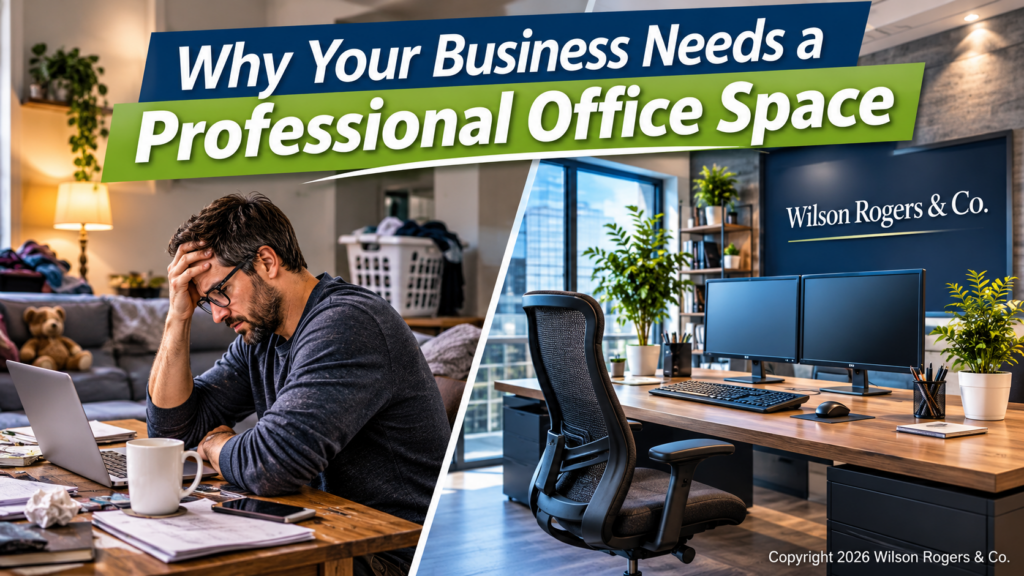
In an era where remote work and virtual collaboration have become increasingly common, many business owners are questioning whether having a physical office is still necessary. While technology has made it easier than ever to operate a business from virtually anywhere, having a dedicated office space can still provide significant advantages. From establishing a professional image to improving collaboration and protecting sensitive information, an office can play an important role in your company’s success.
Let’s explore some of the key reasons why having an office may be beneficial for your business.
Professional Image Matters
First impressions are important in business. Having a professional office environment can help establish credibility and build trust with clients, business partners, and potential investors. A clean, organized, and well-designed workspace communicates that your business is established, prepared, and committed to providing quality products or services.
Your office also provides an opportunity to create a physical representation of your brand. From the furniture and décor to your company logo and overall layout, every detail can contribute to how others perceive your business. Creating a professional environment helps you make a positive first impression and demonstrates that you take your business seriously.
Facilitating Collaboration and Innovation
Although virtual collaboration tools have made communication easier, face-to-face interaction still offers valuable benefits. An office provides a shared space where employees can communicate, exchange ideas, participate in brainstorming sessions, and make decisions more efficiently.
Working together in the same environment can encourage creativity and innovation. Employees have opportunities to build on one another’s ideas, discuss challenges, and develop solutions to problems the business may be facing. These interactions can strengthen teamwork, improve productivity, and create opportunities for new ideas that may not develop as easily through virtual communication.
Conducive to Client Meetings
For businesses that regularly work with clients, having a dedicated meeting space can be extremely valuable. An office provides a professional and controlled environment for consultations, presentations, negotiations, and important business discussions.
Meeting clients in person also gives them an opportunity to see where you conduct business and gain a better understanding of your company. While virtual meetings are convenient, face-to-face interactions can help strengthen professional relationships, build trust, and encourage long-term client loyalty.
For example, at our office, we conduct both in-person and virtual meetings. We also use our workspace to create YouTube videos and other business-related content. Having a dedicated office allows us to accommodate different business activities while maintaining a professional environment.
Centralized Work Environment
An office provides employees with a centralized location where they can work toward common business goals. Having a shared workspace can help establish structure, improve communication, and create a stronger sense of company culture.
When employees work together in the same environment, it becomes easier to coordinate responsibilities, stay informed about projects, and keep everyone focused on important deadlines. It also creates a sense of community and shared purpose.
Additionally, working toward common goals allows employees to celebrate accomplishments together. Recognizing these achievements can strengthen team relationships, encourage motivation, and help employees feel more connected to the overall success of the business.
Work-Life Separation
Although working remotely offers flexibility, it can sometimes make it difficult to separate professional responsibilities from personal life. Having a designated office space helps establish a physical boundary between work and home.
Going into an office can help employees transition into work mode and maintain a more consistent daily routine. It can also reduce distractions that may occur in a home environment, such as household responsibilities, pets, or family members.
Creating this separation can contribute to a healthier work-life balance and help reduce the risk of burnout. Additionally, an office provides opportunities for social interaction and a sense of community, which can positively contribute to employee satisfaction and overall workplace well-being.
Security and Privacy
Security is an important consideration for every business, especially those that handle confidential client information, financial records, or sensitive company data. Having a dedicated office allows business owners to establish additional safeguards to protect important information.
Physical security measures may include security cameras, alarm systems, locked doors, and controlled building access. These measures help limit unauthorized access to the workspace and protect business equipment and records.
Data security is equally important. Businesses can implement access controls to ensure that only authorized employees can view sensitive information. Other precautions may include privacy screens, secure document storage, established confidentiality procedures, and properly shredding documents containing private information.
Having a designated workspace makes it easier to establish consistent security practices and maintain greater control over how confidential business information is handled.
Final Thoughts
In today’s evolving business environment, having a physical office may not be necessary for every company, but it can provide advantages that are difficult to overlook. From creating a professional image and encouraging collaboration to strengthening client relationships and protecting sensitive information, an office can contribute to the overall growth and success of your business.
A dedicated workspace can also help establish structure, improve work-life separation, and create a stronger sense of community among employees.
Ultimately, the decision to maintain an office should depend on your business needs, goals, and available resources. Whether you choose a traditional office, a remote setup, or a combination of both, finding the right work environment can help position your business for long-term success.